


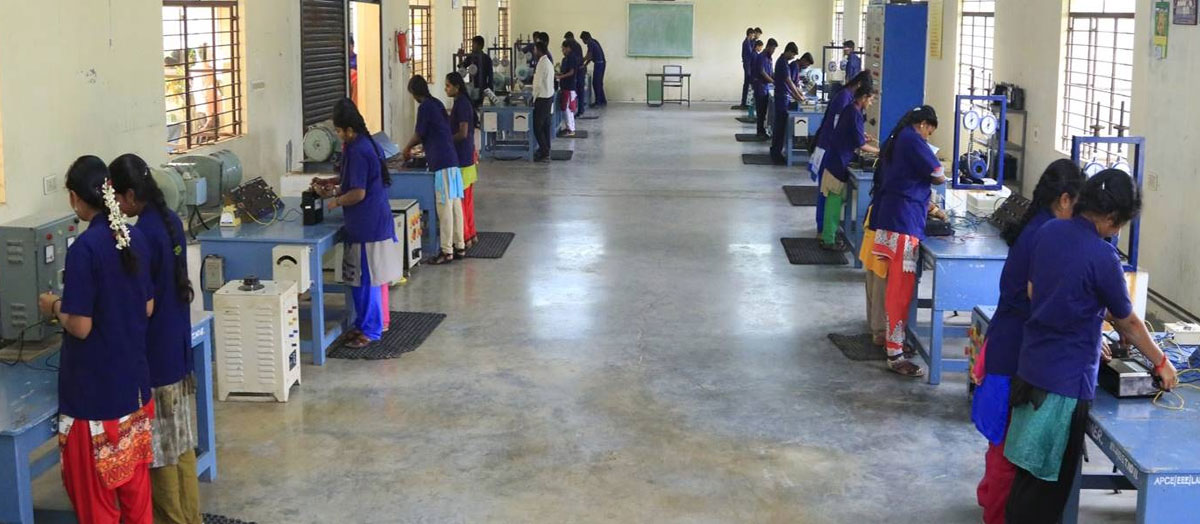
Electrical & Electronics Department
VISION
To provide high-quality education and impactful research in emerging areas of Electrical and Electronics Engineering by fostering innovation, sustainability, digital transformation, and human values to develop globally competent professionals.
MISSION
M1: To strengthen technical competencies through learner-centric and technology-enabled education.
M2: To nurture innovation, entrepreneurship, and start-up culture.
M3: To establish strong industry-academia collaborations for research and consultancy.
M4: To promote lifelong learning, sustainability, and global competence.
ABOUT THE DEPARTMENT
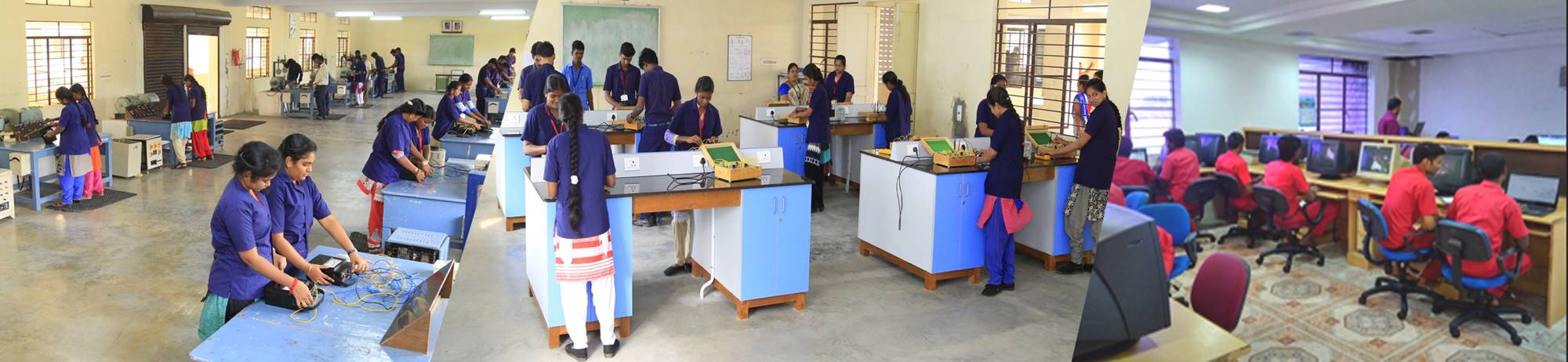
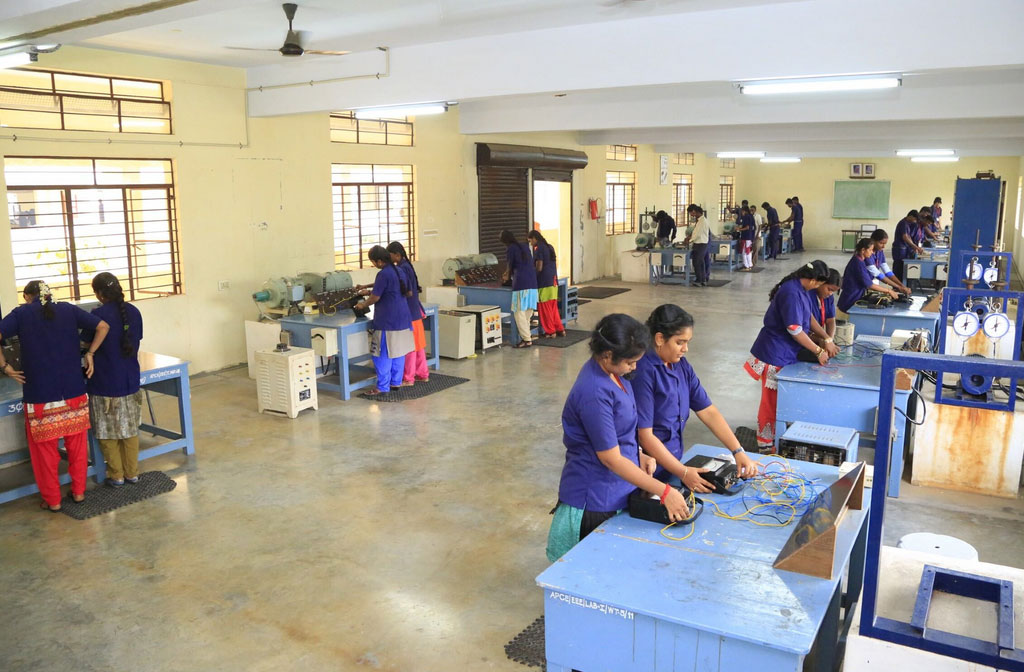
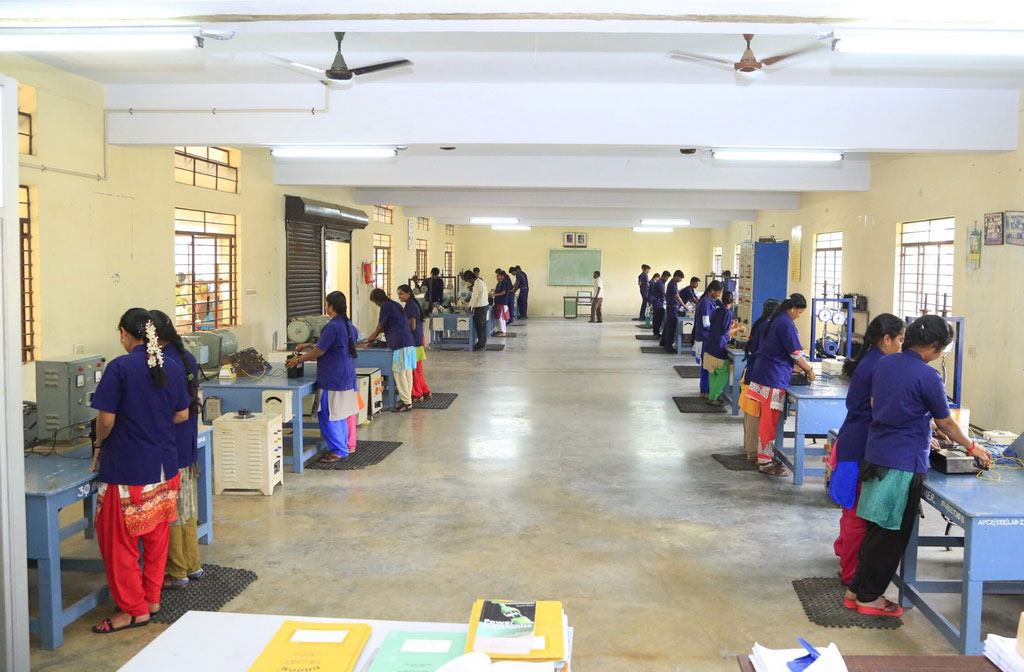
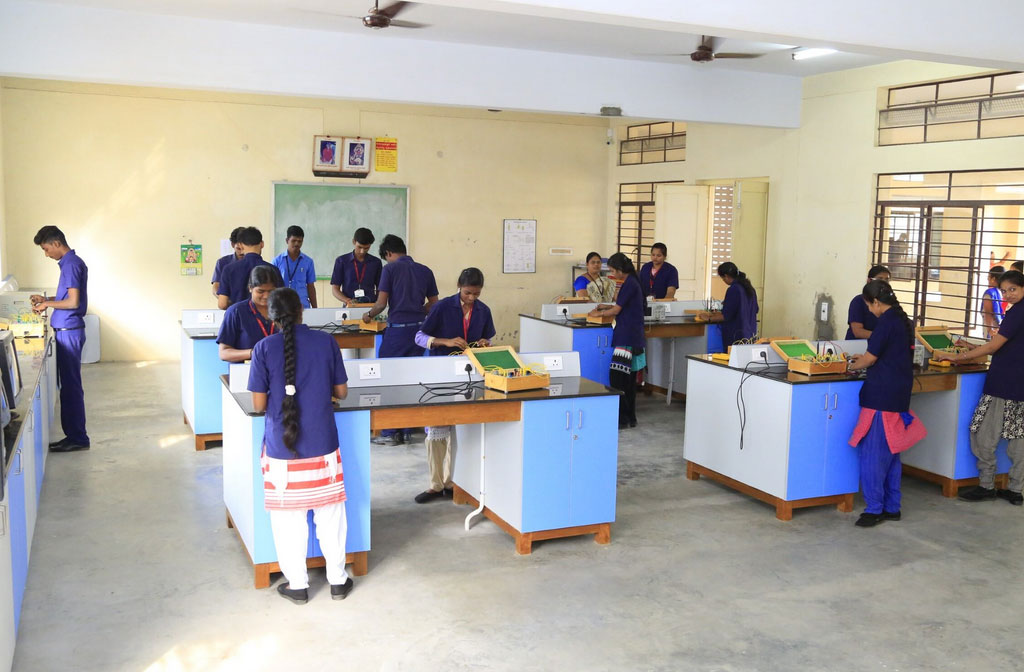
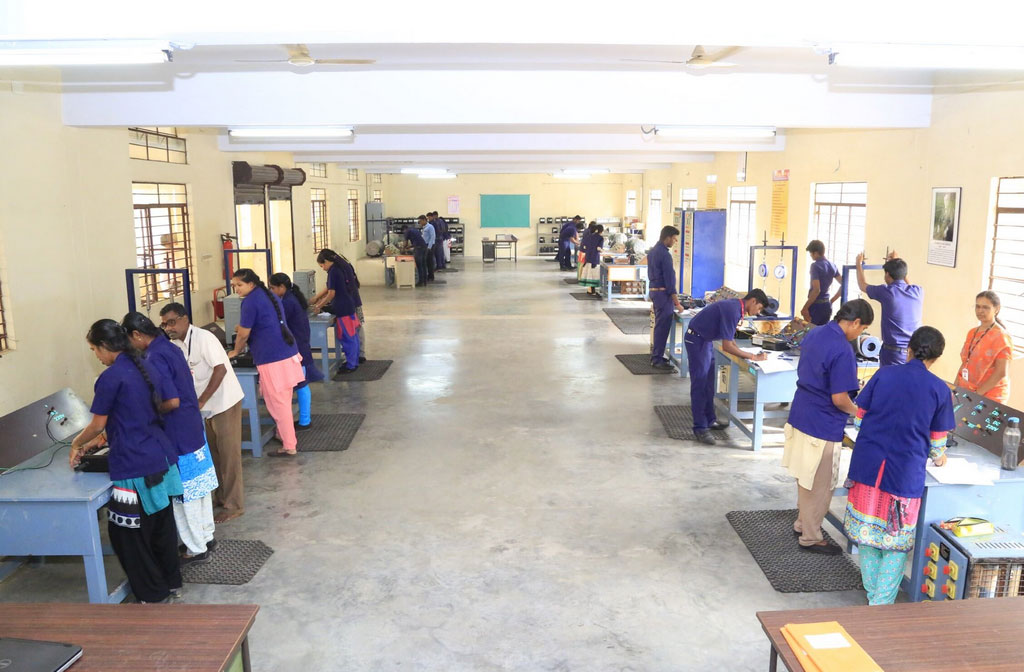
The Department of Electrical and Electronics Engineering was started in the year 2004. The department has well experienced, dedicated faculty members with different fields of specialization. The department is well equipped with the latest in Electrical Machines, Power Electronics, Control and Instrumentation Laboratories and has excellent computing facilities with the latest software like ETAP, MATLAB and PSCAD in Power System Simulation Lab and recent IEEE journals in our library.
About the Society:
PYROMANIX is the Electrifying society of Electrical and Electronics Engineers. It was started in the year 2008. IEEE Students Chapter was inaugurated in the year of 2009. Pyromanix has conducted Six National Level Symposiums, Workshops, various guest lectures, and Organized Industrial Visits etc. The society has made many Pyromanians to present their views as papers and projects in our society. The journey of the Pyromanians is towards the horizon and there is no stepping back.
Opportunities
The Electrical & Electronics Engineering degree program prepares the graduates to enter a dynamic and rapidly changing field with career opportunities in Electric Power, Power Electronics, Microprocessors and Controllers, Integrated Circuits, Robotics and Control, Computer Hardware and Software. The demand for electrical power and electronic systems is increasing rapidly and electrical & electronics engineers are in great demand to meet the requirements of the growing industry. Electrical and Electronics Engineers are mainly employed in industries using Electrical Power, Manufacturing Electrical Equipment, Electronic Systems, Accessories, Research and Development departments which work on energy saving devices and Software Development.
Electrical and Electronics Engineering is arguably the technology which has most shaped the world we live in. All aspects of our lives are affected by the electrical power we take for granted. Electrical and Electronics Engineers are responsible for the continued safe and responsible development of this technology in all its many applications, through research, design and development, manufacture, service, marketing and consulting. Electrical and Electronics Engineering is a dynamic and exciting discipline which will continue to serve the needs of society through the economic and responsible exploitation of existing technology and the development of innovative ideas.

Department of Electrical and Electronics Engineering
- Electrical Machines Lab - I
- Power Electronics Lab
- Power Systems Simulation Lab
- Electrical Machines Lab - II
- Electric Circuits Lab
- Control & Instrumentation Lab
| SI.NO | FIN | AICTE ID | NAME OF THE FACULTY | DESIGNATION | PHOTO |
|---|---|---|---|---|---|
| 1 | 2679771978 | 1-3571416171 | Dr MURUGESAN PANDIYAN | Associate Professor |  |
| 2 | 2625631986 | 1-7393204585 | Dr DHANALAKSHMI B | Associate Professor |  |
| 3 | 2694331975 | 1-11872538992 | Dr KADHIRAVAN C | Assistant Professor |  |
| 4 | 2677081988 | 1-44080507344 | Mr RAMESH NARAYANASAMY | Assistant Professor |  |
| 5 | 2687331991 | 1-9322603901 | Mrs JAGADEESWARI S | Assistant Professor |  |
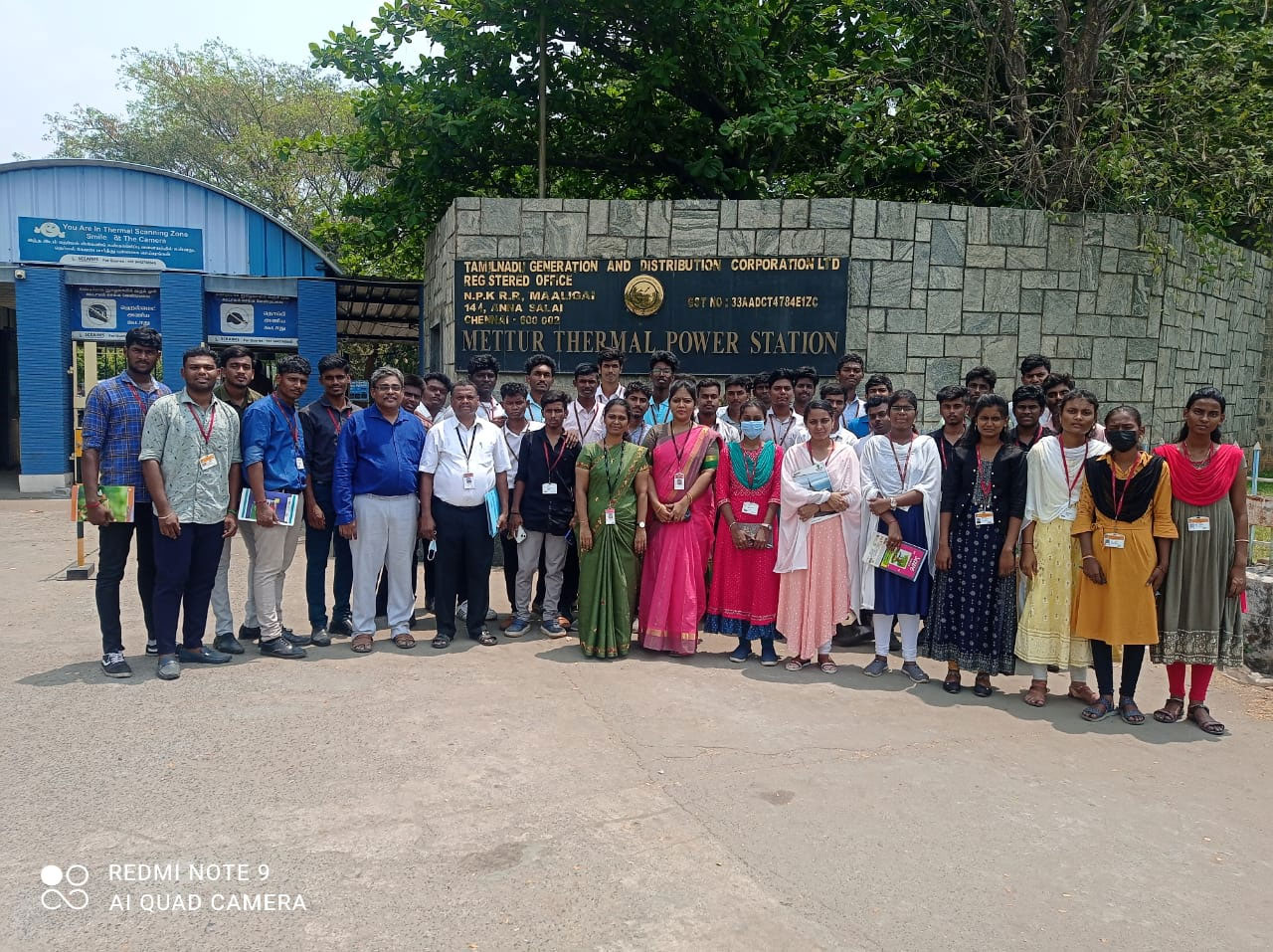
INDUSTRIAL VISIT TO METTUR THERMAL POWER STATION, METTUR, TAMILNADU ON 16.03.2023
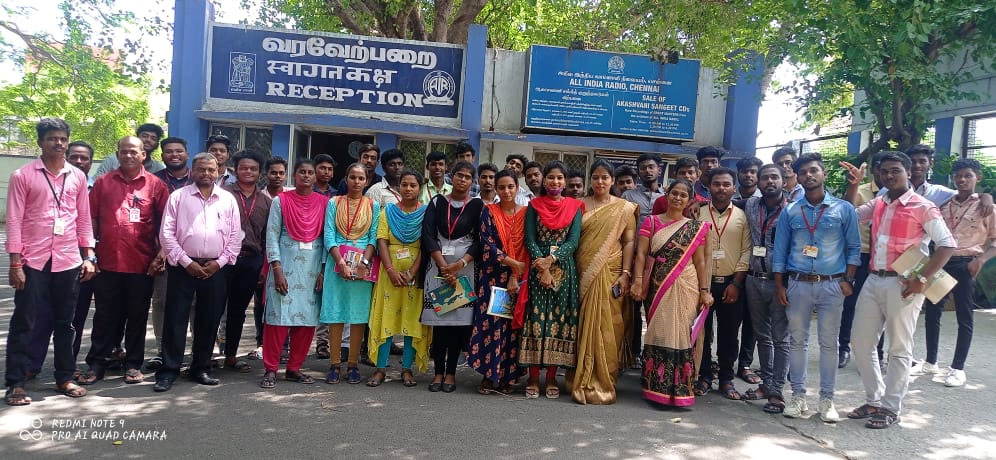
INDUSTRIAL VISIT TO ‘ALL INDIA RADIO’, CHENNAI ON 18.05.2022
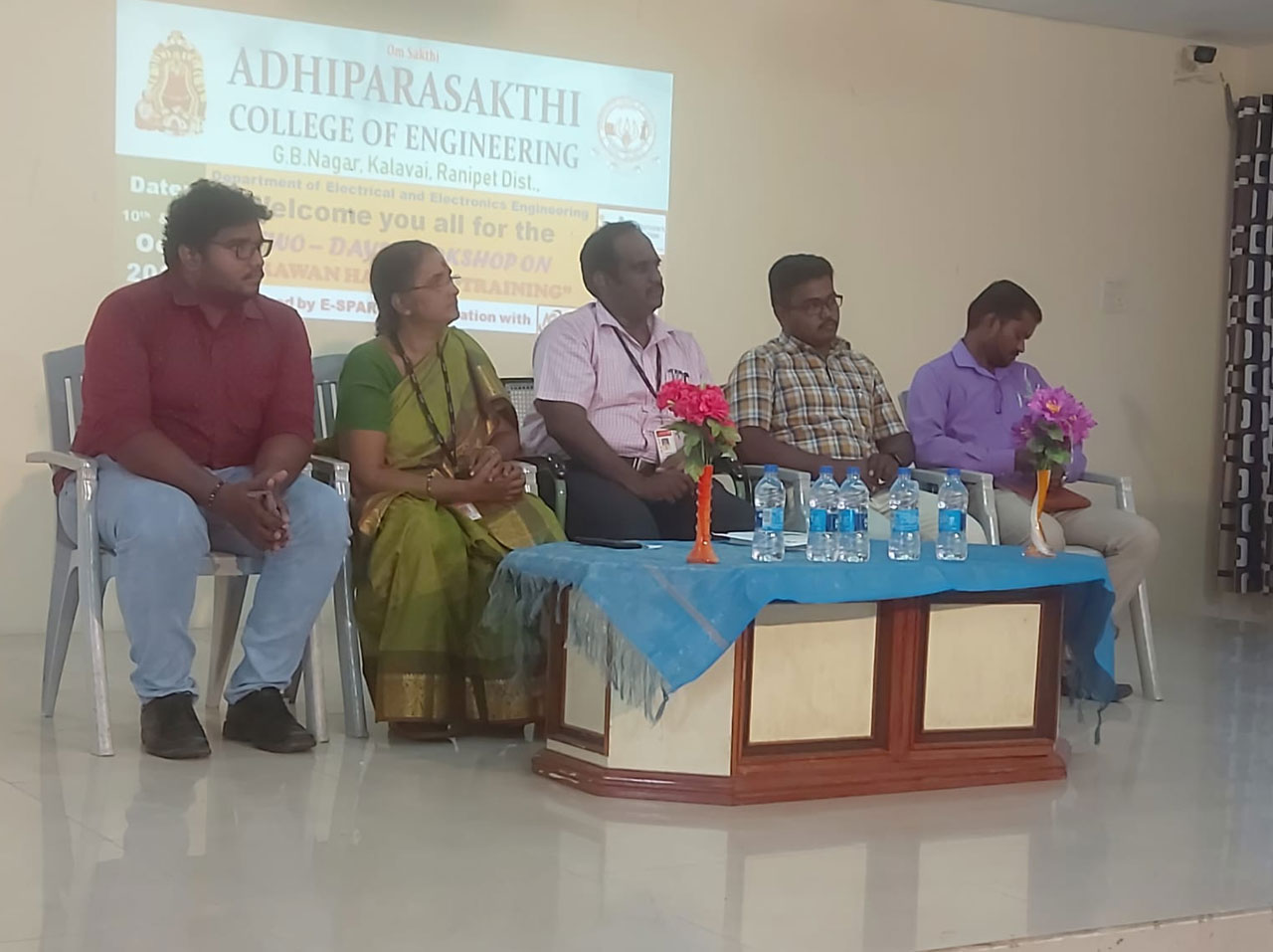
TWO DAYS WORKSHOP ON ‘LORAWAN HANDS ON TRAINING’ ON 10TH OCTOBER 2022
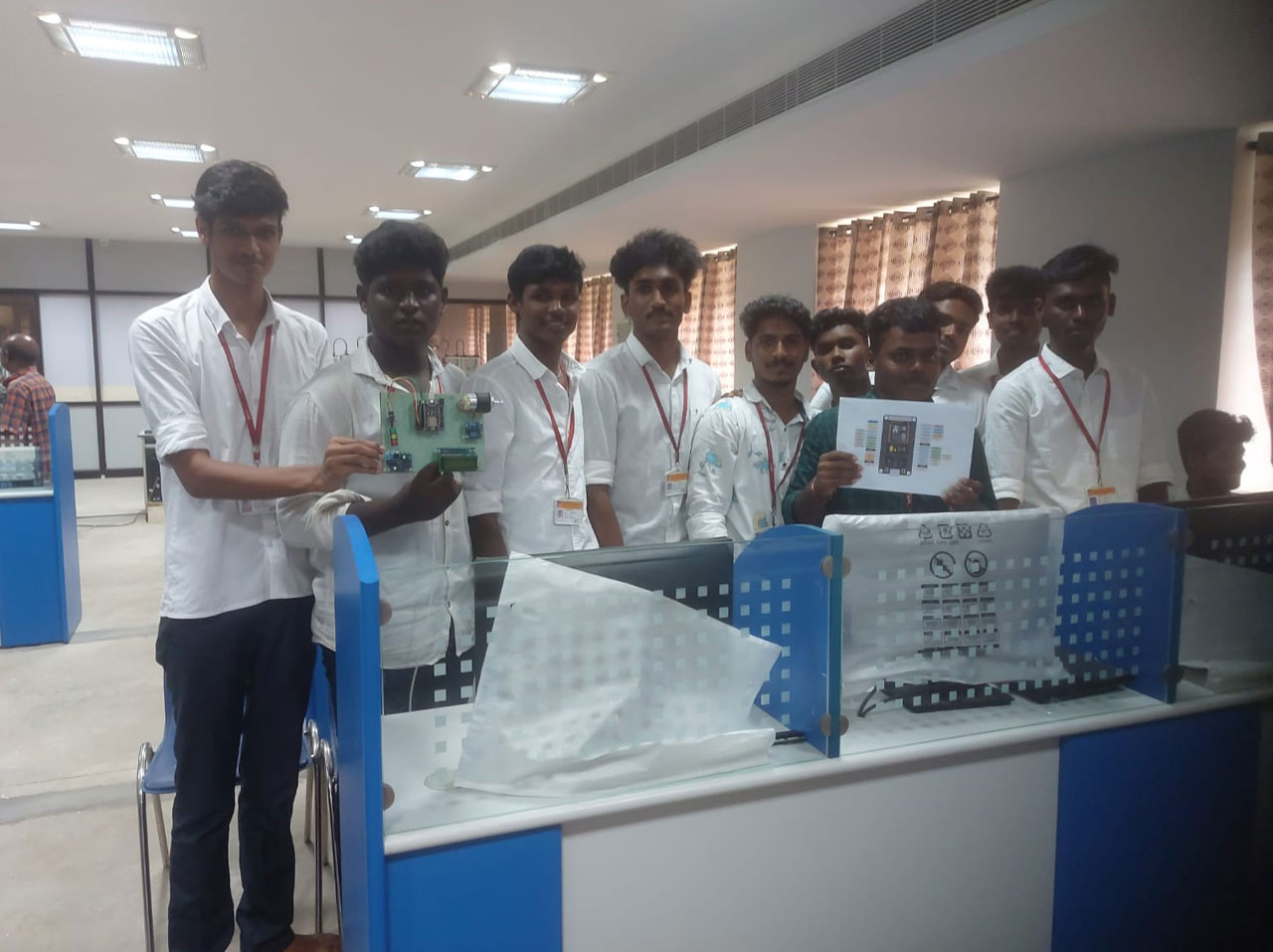
STUDENTS ACTIVE PARTICIPATION IN THE ‘LORAWAN’ WORKSHOP
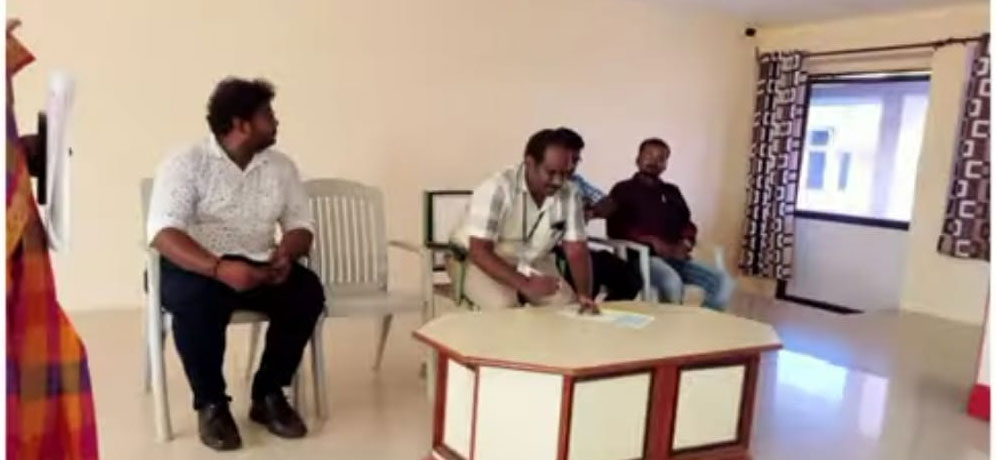
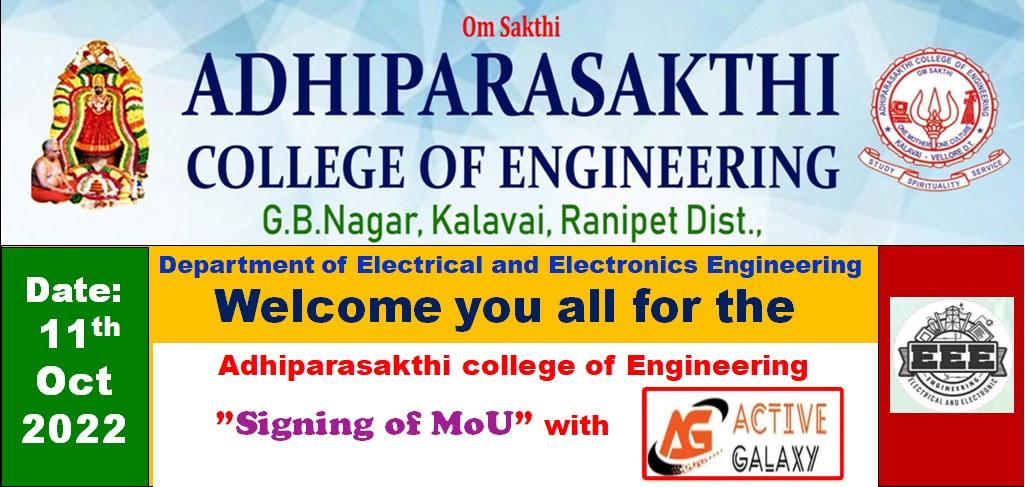
MOU SIGNING WITH M/S ACTIVE GALAXY
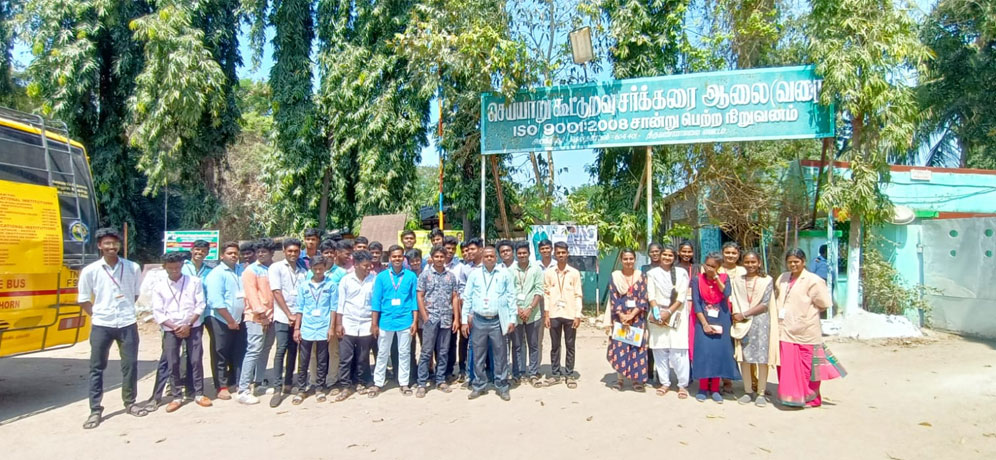
INDUSTRIAL VISIT TO CHEYYAR SUGAR MILL ON 15TH FEBRAURY 2023
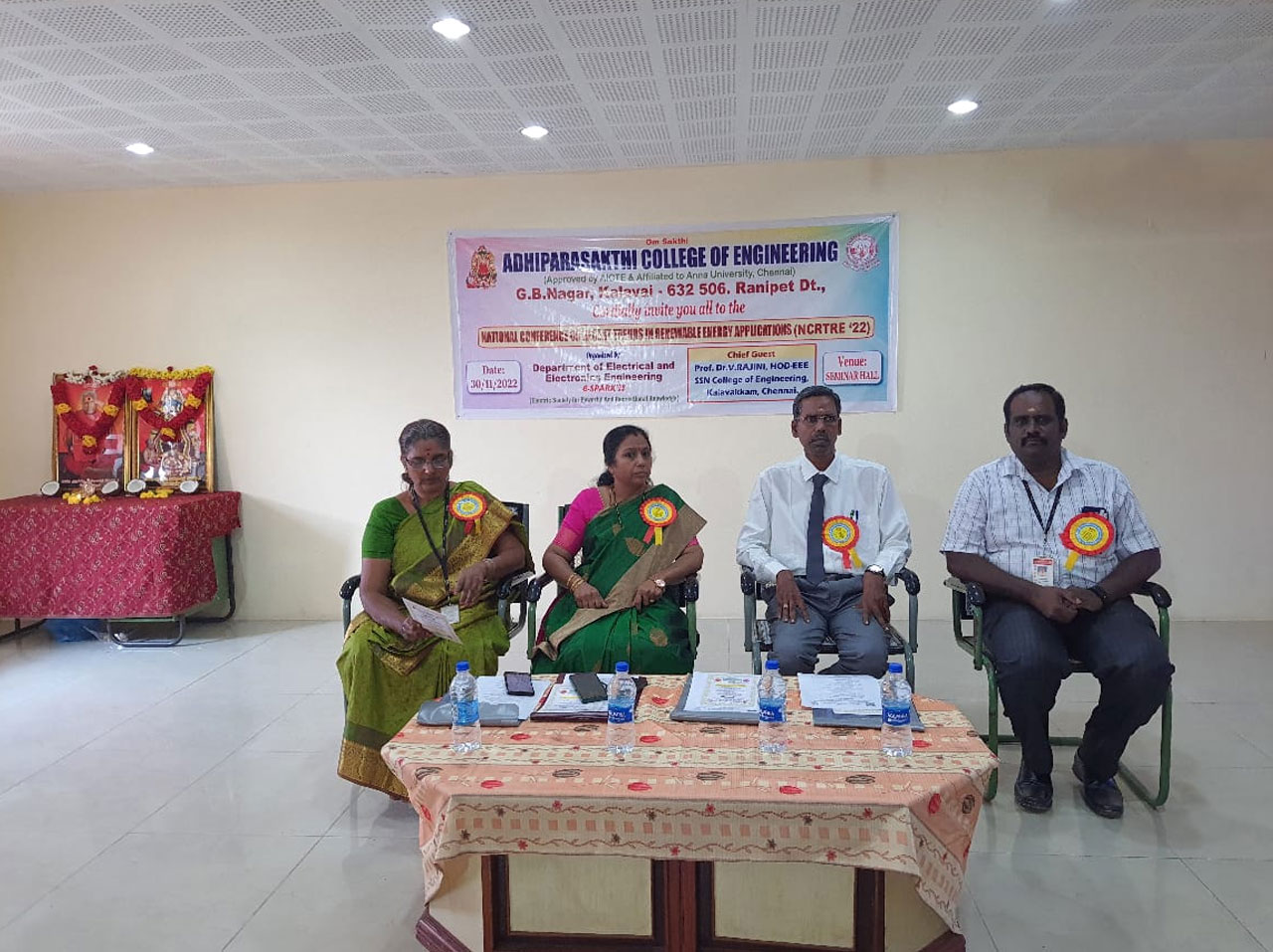
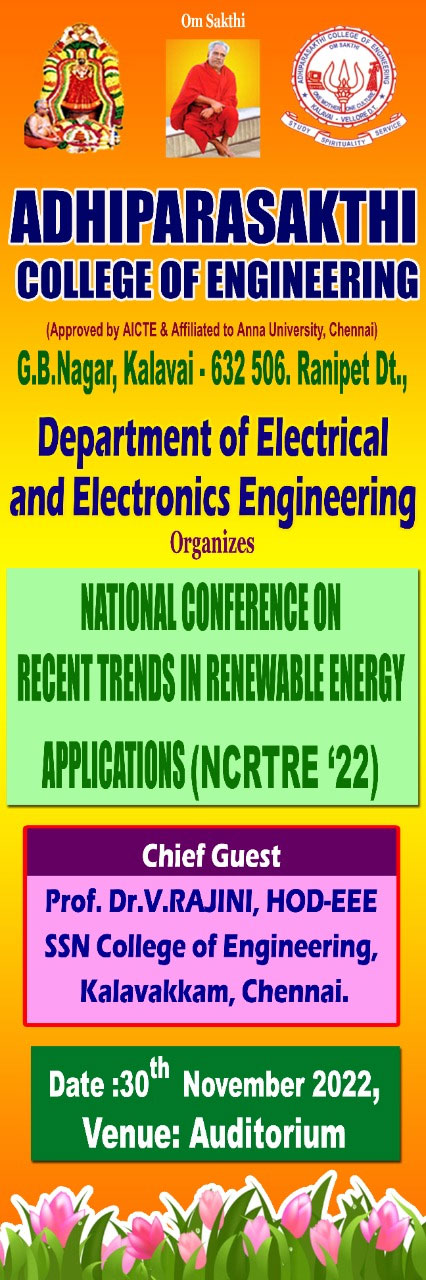
NATIONAL CONFERENCE ON RECENT TRENDS ON RENEWABLE ENERGY APPLICATIONS (NCRTRE’22) ON 30.11.2022.
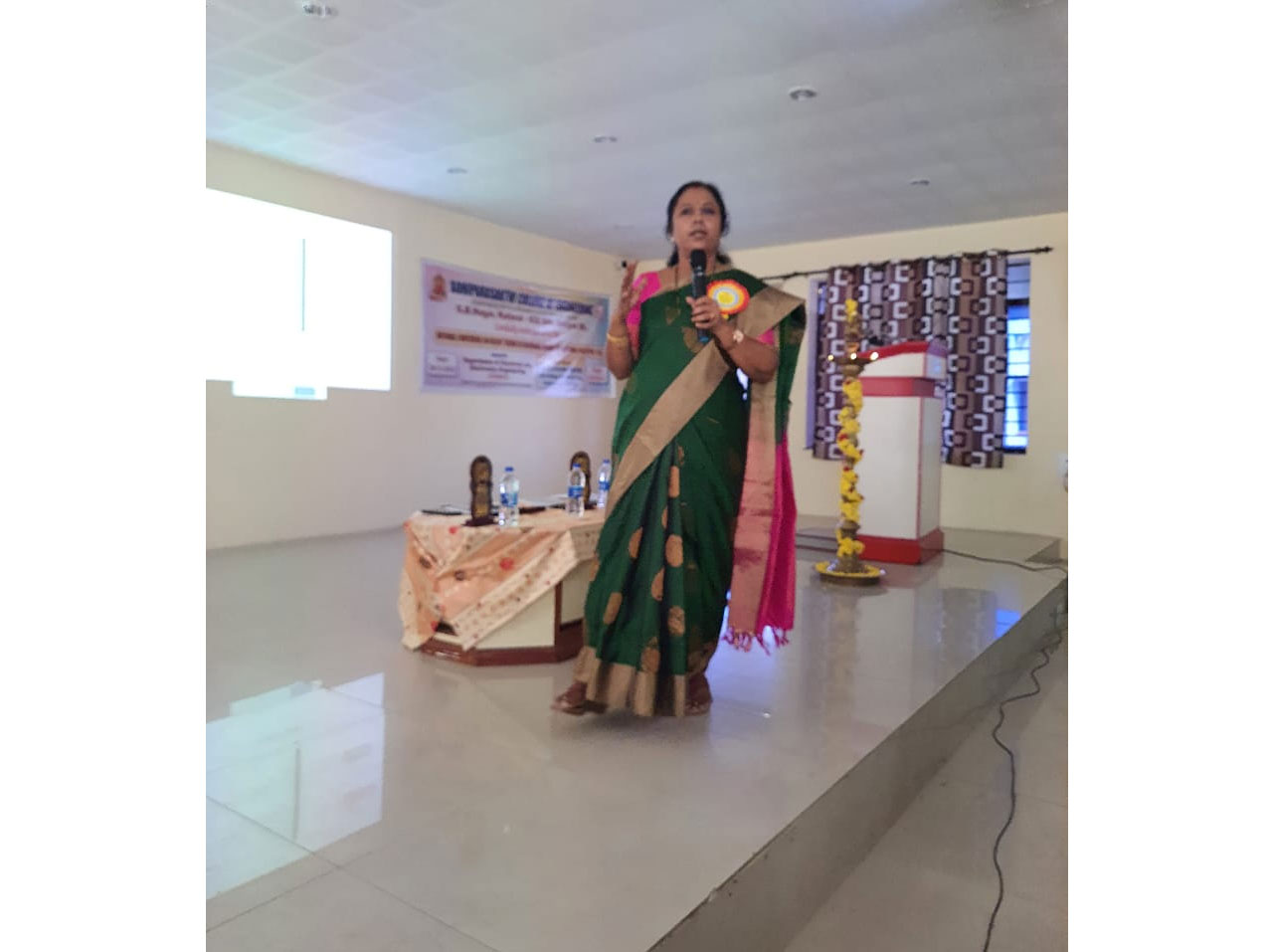
CHIEF GUEST SPEECH BY DR.V.RAJINI,HOD/EEE,SSN COLLEGE OF ENGINEERING DURING FIRST NATIONAL CONFERENCE,NCRTRE’22.
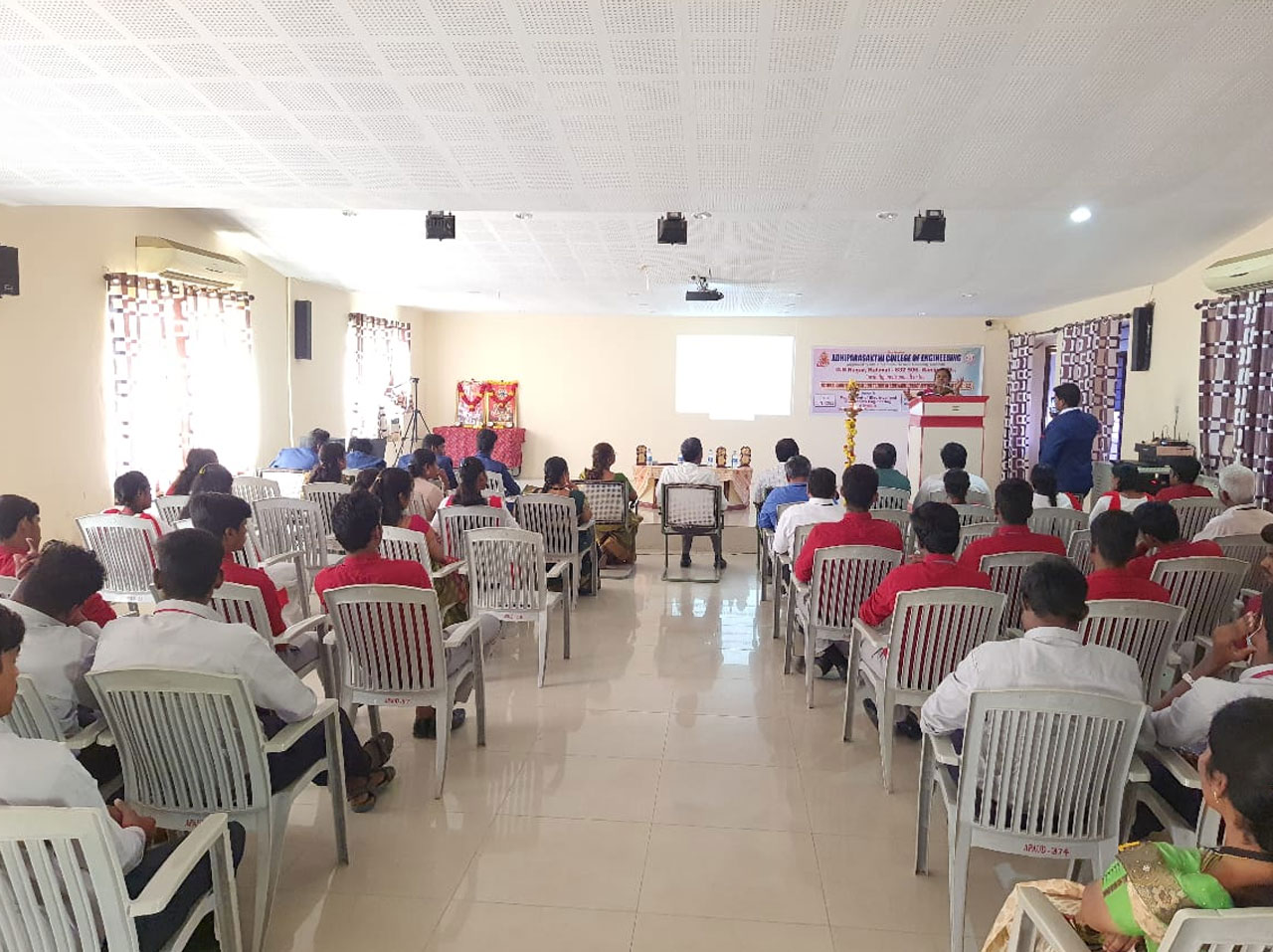
STUDENTS PARTICIPATION DURING NATIONAL CONFERENCE INAGURATION
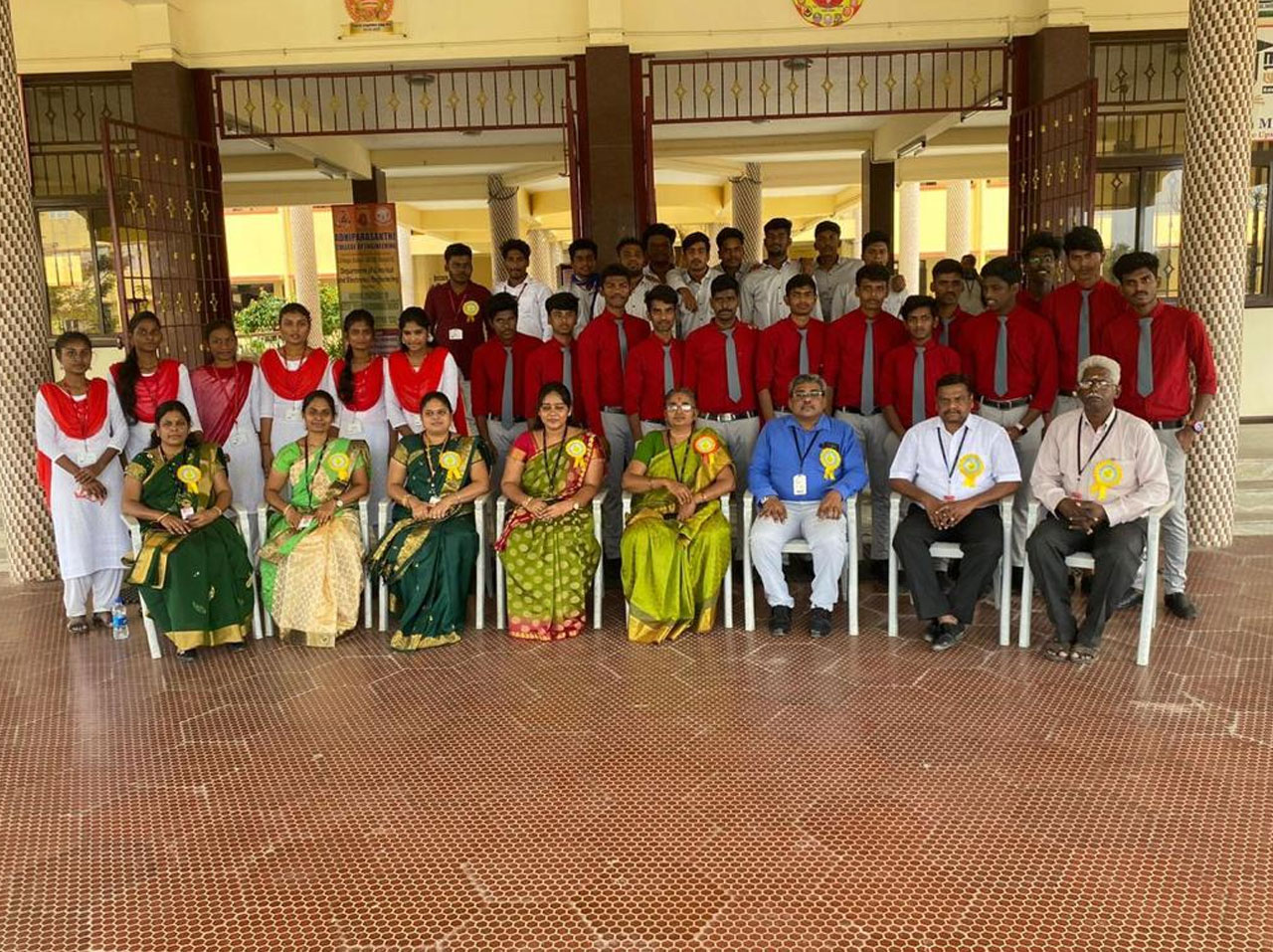
EEE DEPARTMENT GROUP PHOTO DURING NCRTRE’22
Our Department
- Civil Engineering
- Computer Science Engineering
- Electrical & Electronics Engineering
- Electronics & Communication Engineering
- Mechanical Engineering
- Computer Science and Engineering (Cyber Security)
- Information Technology
- Artificial Intelligence & Data Science
- Science & Humanities
- Master of Business Administration (MBA)